In the Night
In this stifling night
There lies in wait a sun!
Unspoken suffering
Hides nothing but thunder and lightning!
In the starved and shivering millions
Are a thousand armies!
When a new era comes
All will go off like an atom bomb.-Nguyễn Chí Thiện, 1976
My first memory of Vietnam as a concept was when I was 7, when my auntie was dating my uncle Bobby who came home from Vietnam in a wheelchair. My auntie met my uncle while volunteering at the VA hospital in Long Beach. Uncle Bobby had joined the Marines, to be with his brother, who had been drafted. They told him he would be a war artist, and made him a machine gunner. He thought he was fighting for freedom. He was never bitter, and he was the most unhandicapped person I have ever had the privilege to be around. He was one of the best wheelchair bowlers and basketball players in the world. He competed in the California Wheelchair games, and taught John Voight how to be in a wheelchair for the movie Coming Home.
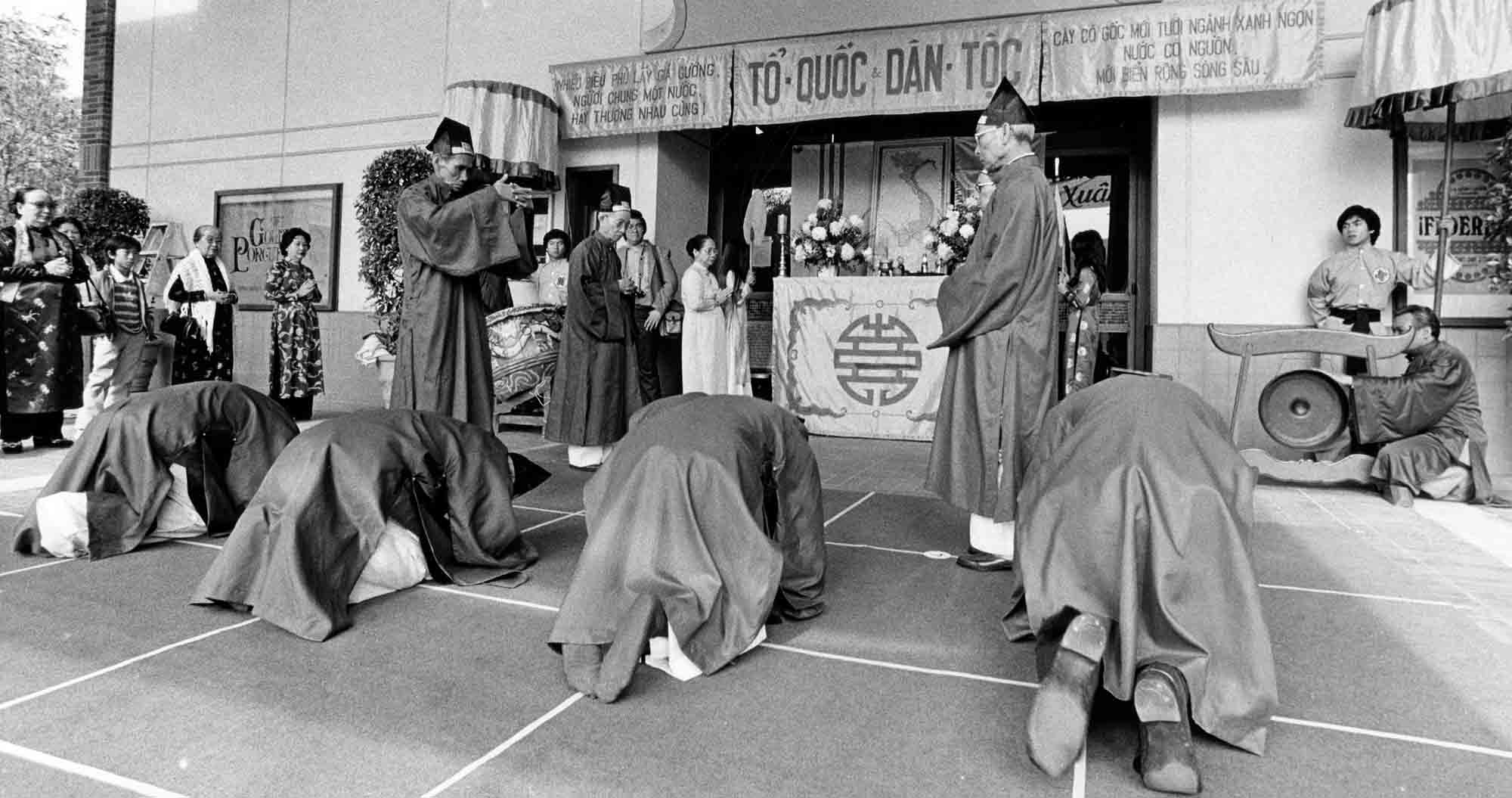
The Vietnamese population in Los Angeles makes up the third largest Vietnamese community outside of Vietnam. Orange county has the largest population, centered in the communities of Westminster and Garden Grove, better known as Little Saigon. Vietnamese immigration to the United States was a direct result of the Vietnam war and the Fall of Saigon on April 30, 1975, when the first wave of Vietnamese refugees came to the melting pot of California. Through tragedy, strife, and grief, we inherited the gifts and culture of the Vietnamese people to the ever-changing palette of our City of Angels.
I remember being a kid lying down on red shag carpet in Sylmar, watching the Fall of Saigon on the news. I wondered what my uncle must have been thinking, and what a waste the whole war was, with the desperate people trying to climb into helicopters from the rooftops, and the dumping of helicopters and machinery into the ocean to make room for the refugees. I felt a profound sadness in the silent room as the drama unfolded on the television screen. Then the refugees started arriving, and drove home the reality that the United States had lost the war, and what the cost of war really is: the turmoil and chaos that is left behind, the crippled men and broken families. We may have been left with wheelchairs and tears, but from the tragedy rose a strength and renewal. When my uncle was on the operating table half conscious he heard the doctor say to someone, “He is a goner.” My uncle grabbed the doctor's coat and declared, “F@#% you, I am not.”
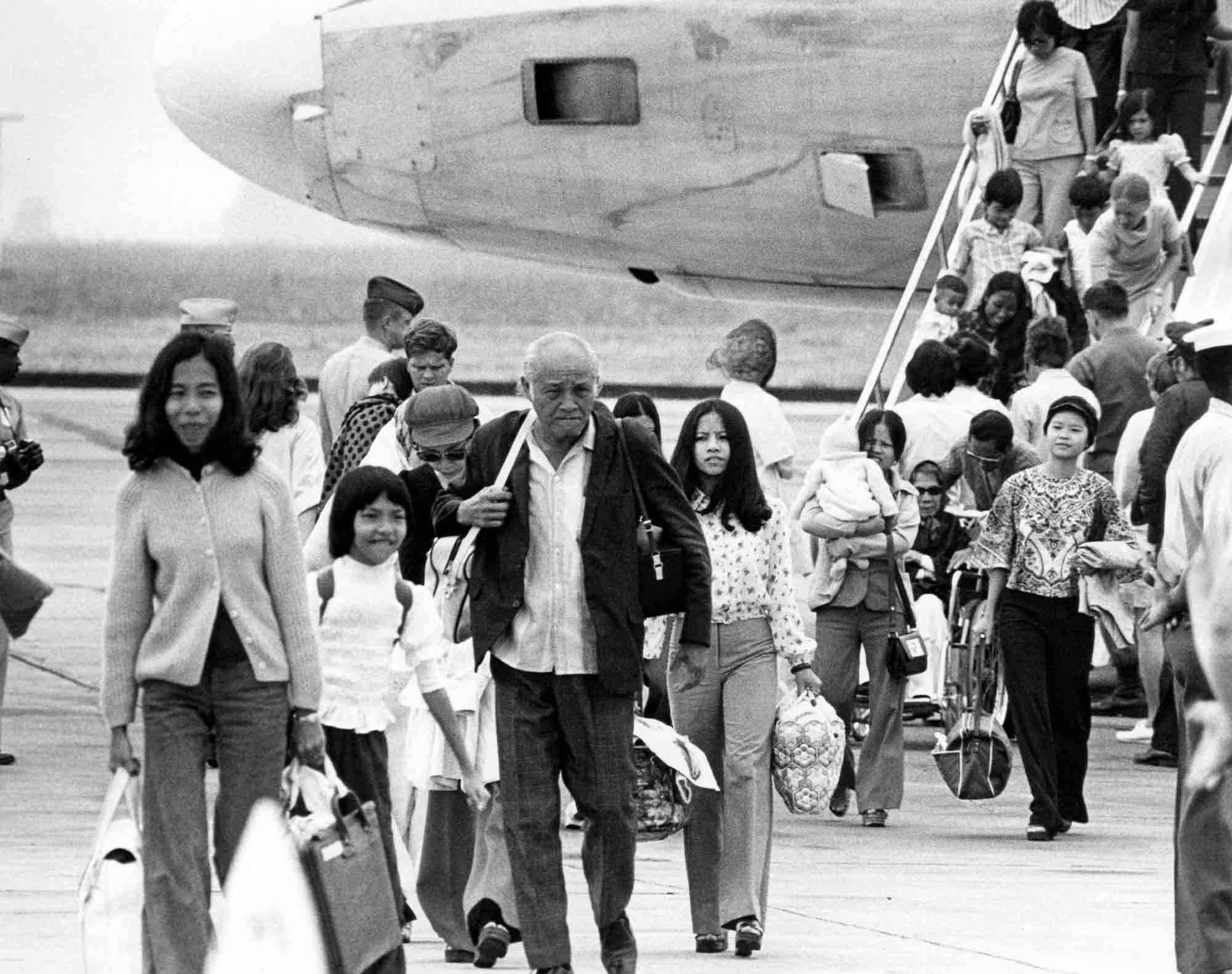
South Vietnamese immigration to the United States initially came in three waves. The first wave started just before the fall of Saigon by air, followed by massive evacuations by air and on Navy ships to Gaum and the Philippines for processing. From here, refugees were sent to the mainland United States, and stayed at U.S. bases like Camp Pendleton. 125,000 refugees left South Vietnam in 1975, followed by an additional 5,000 in 1976-1977. The overwhelming nature of the humanitarian crisis created by the end of the Vietnam War resulted in the Indochina Migration and Refugee Assistance Act, signed by President Gerald Ford on May 23, 1975. This act allowed the first wave of 130,000 refugees from South Vietnam, Laos, and Cambodia to enter and settle in the United States.
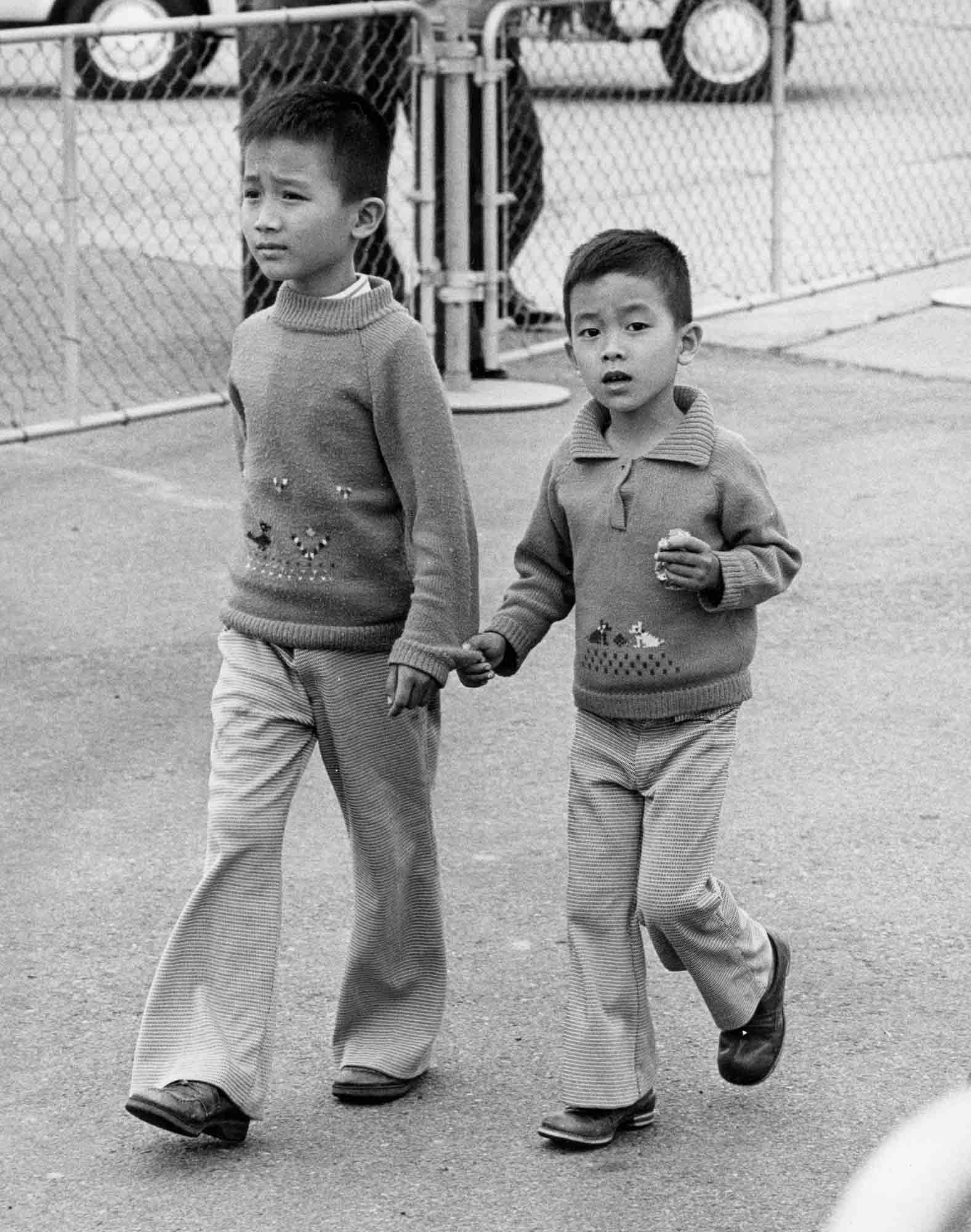
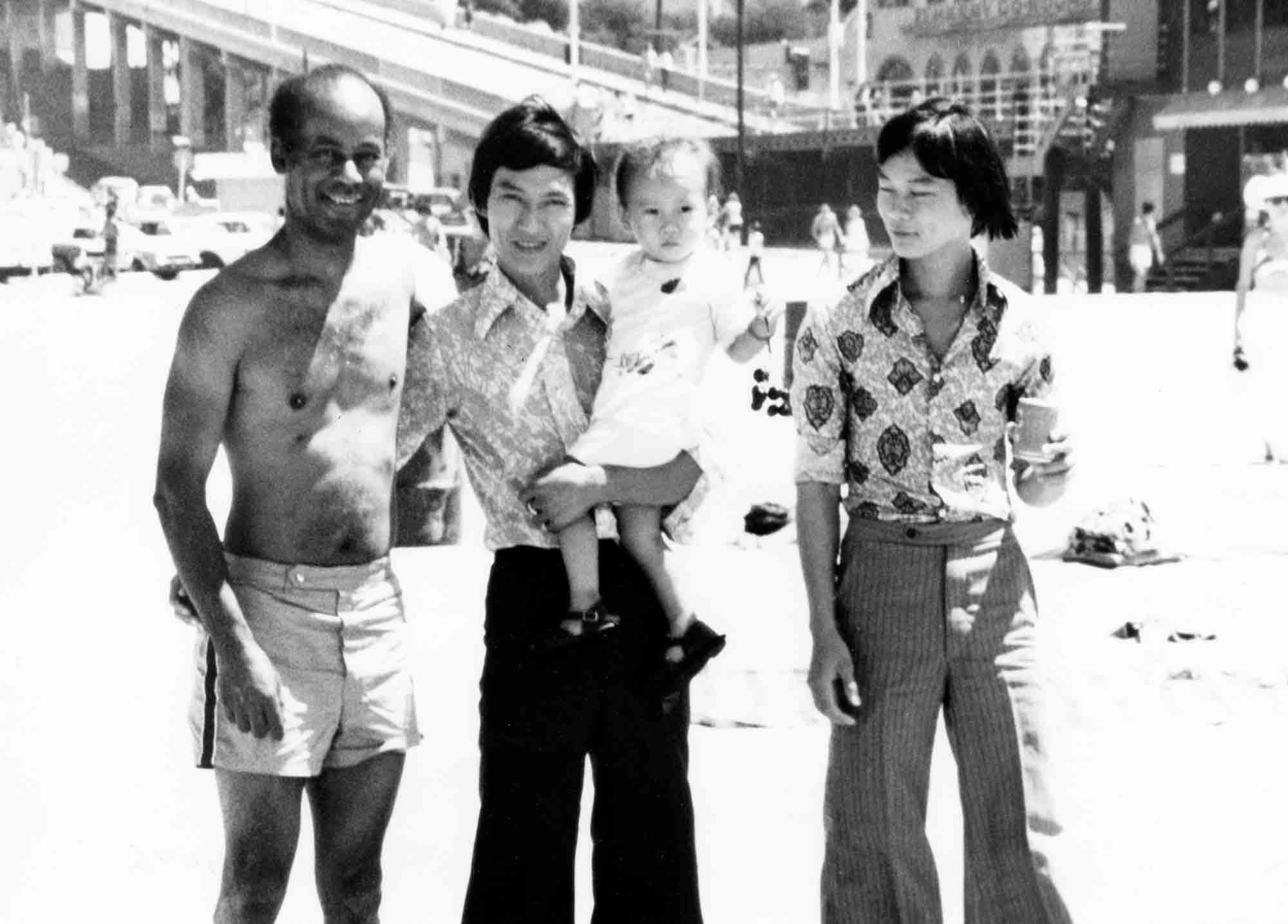
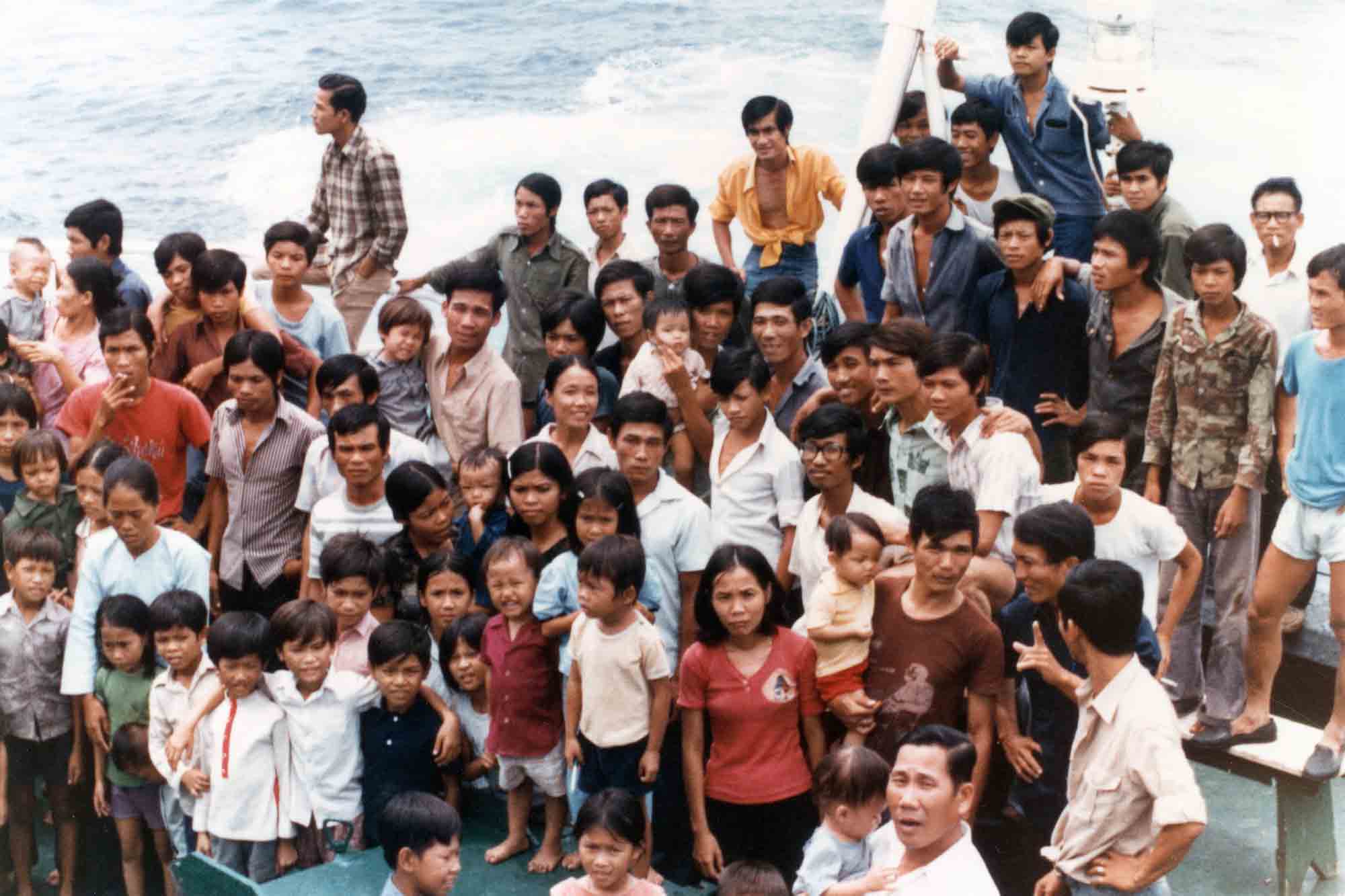
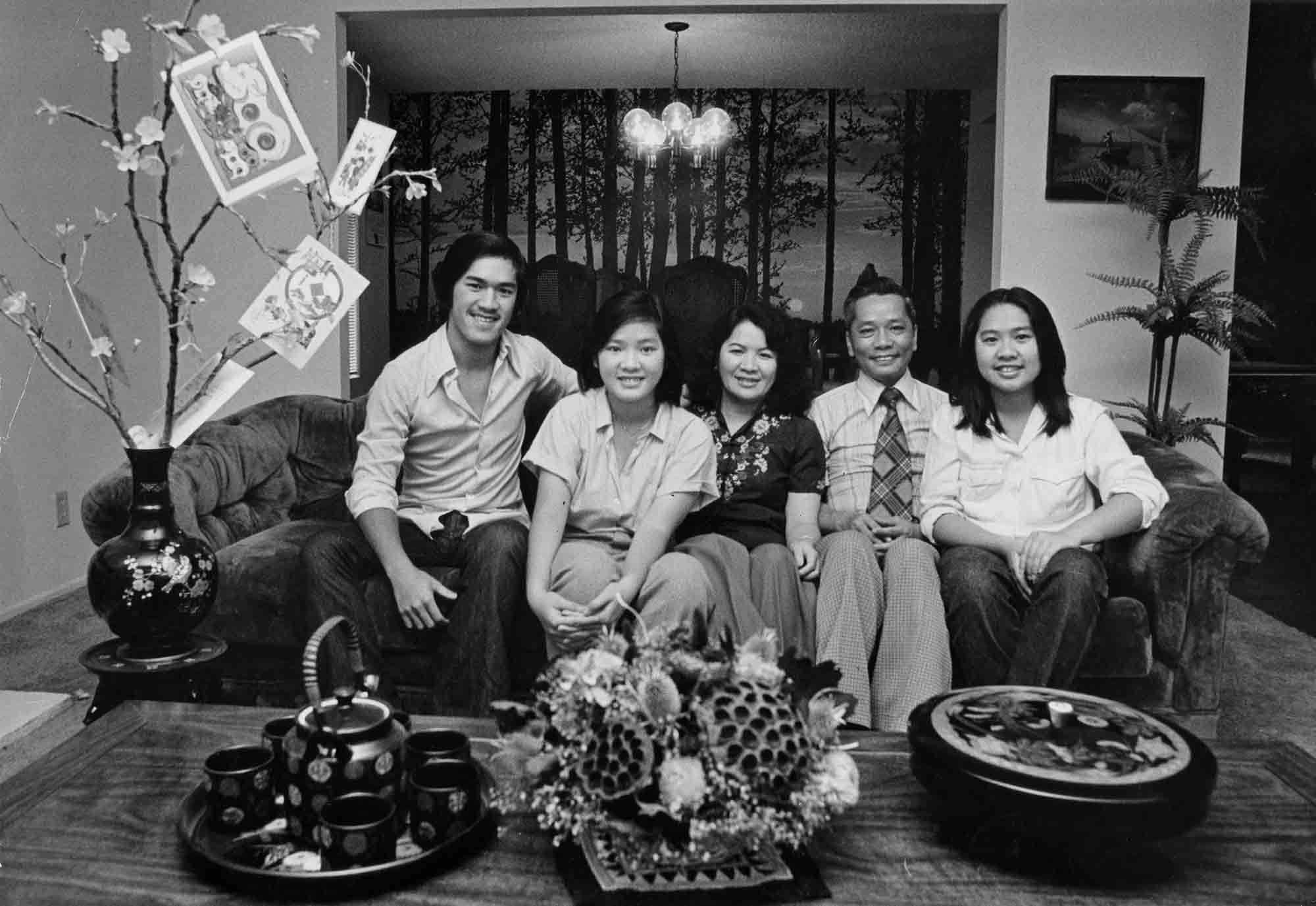
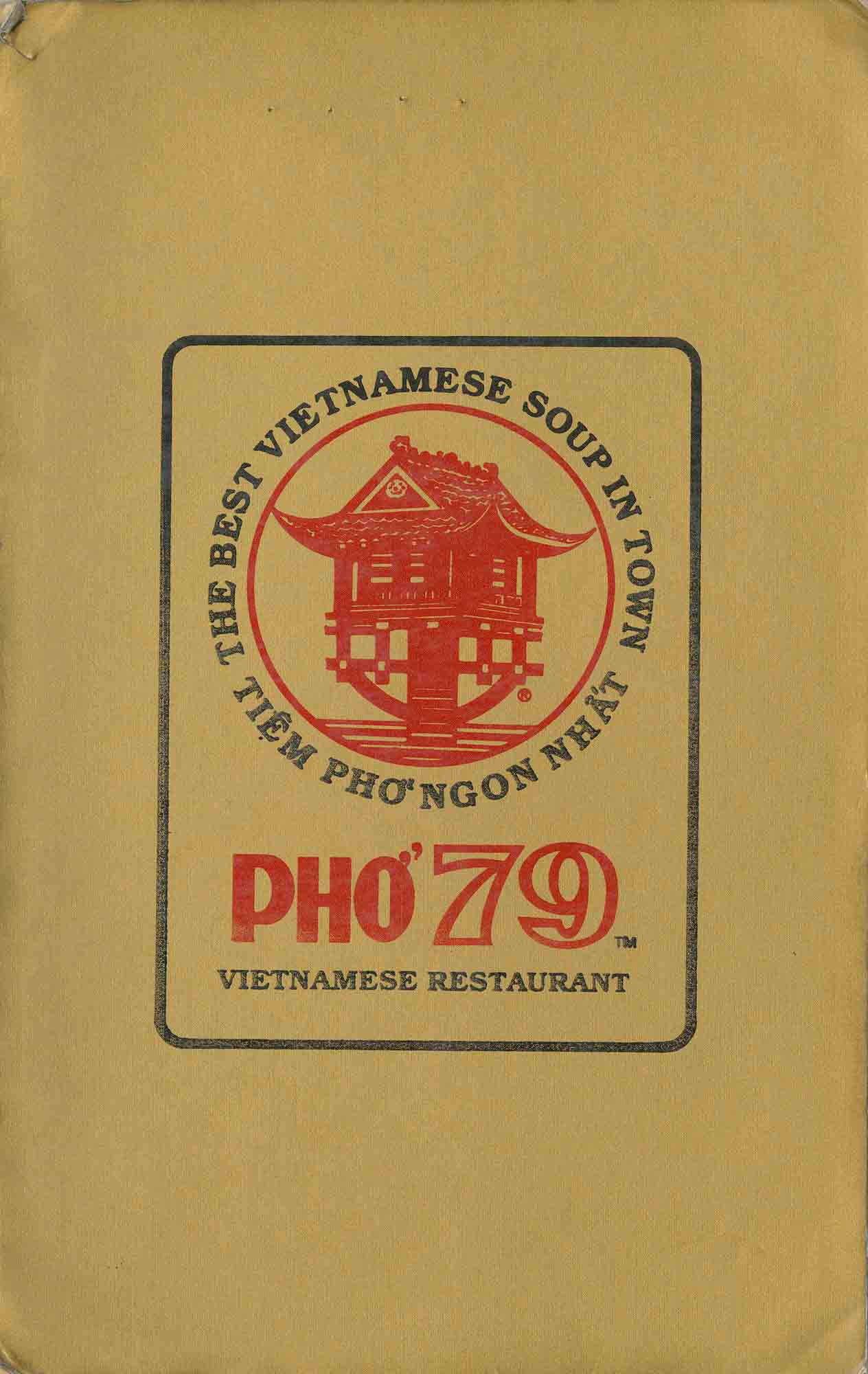
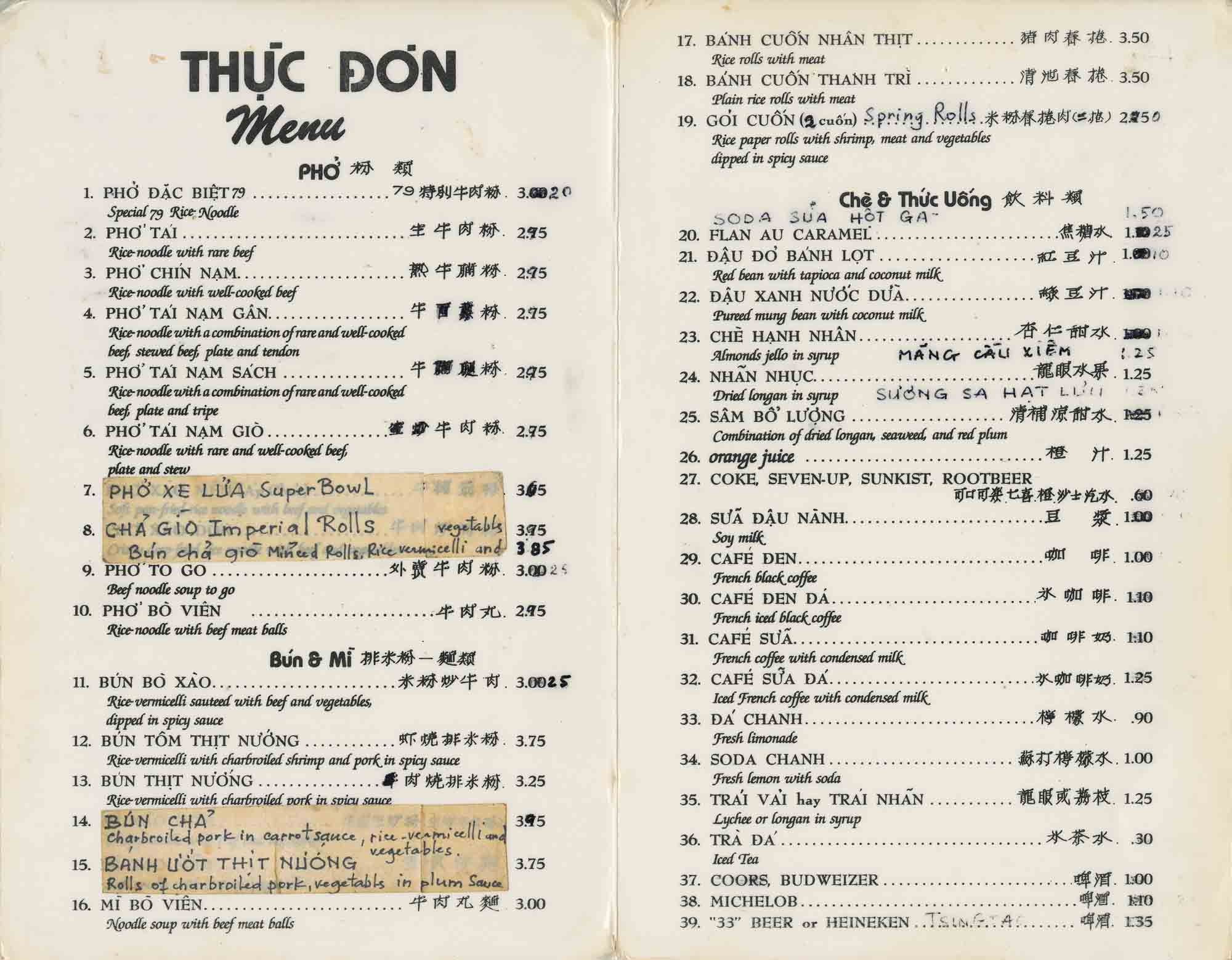
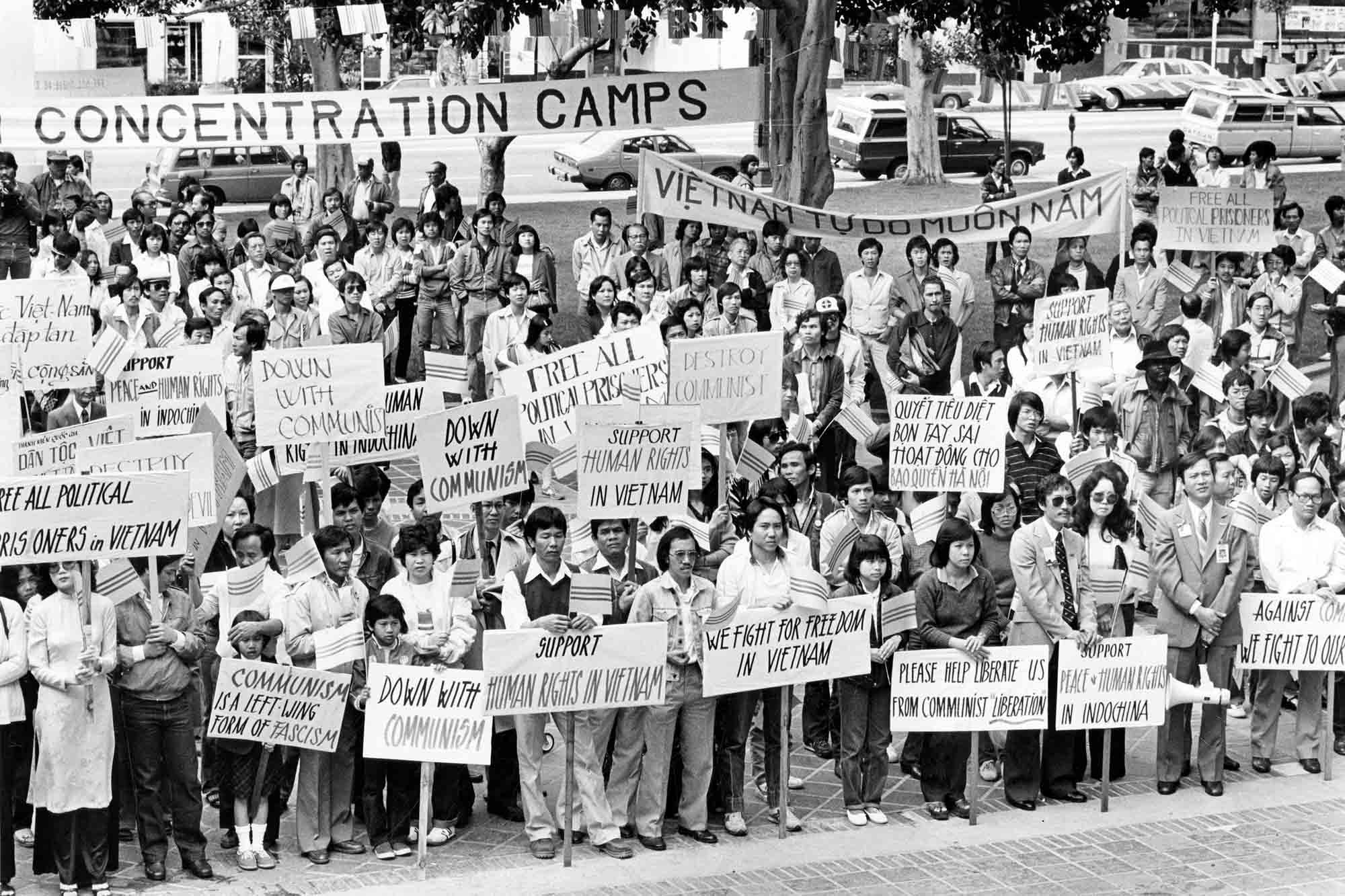
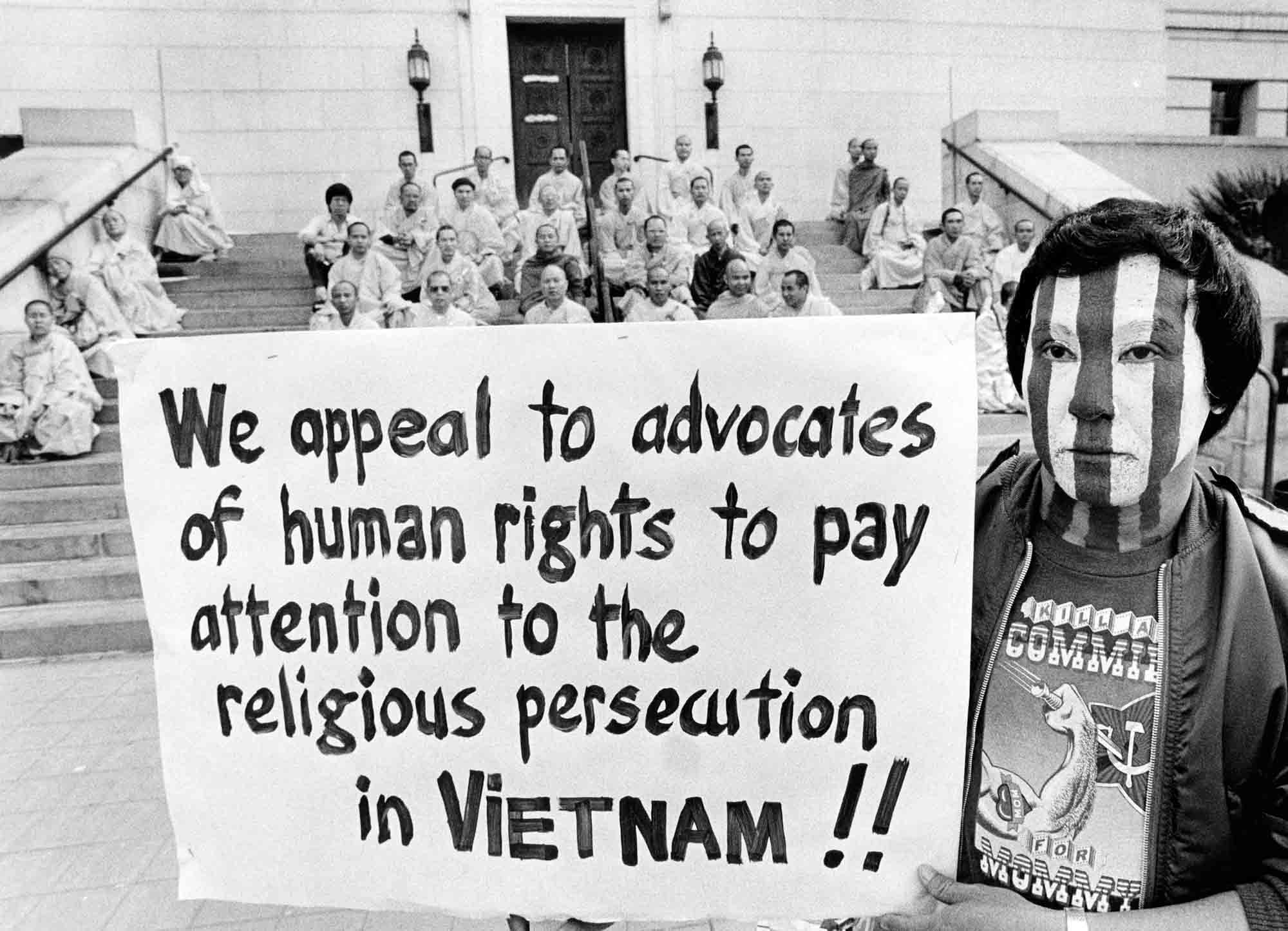
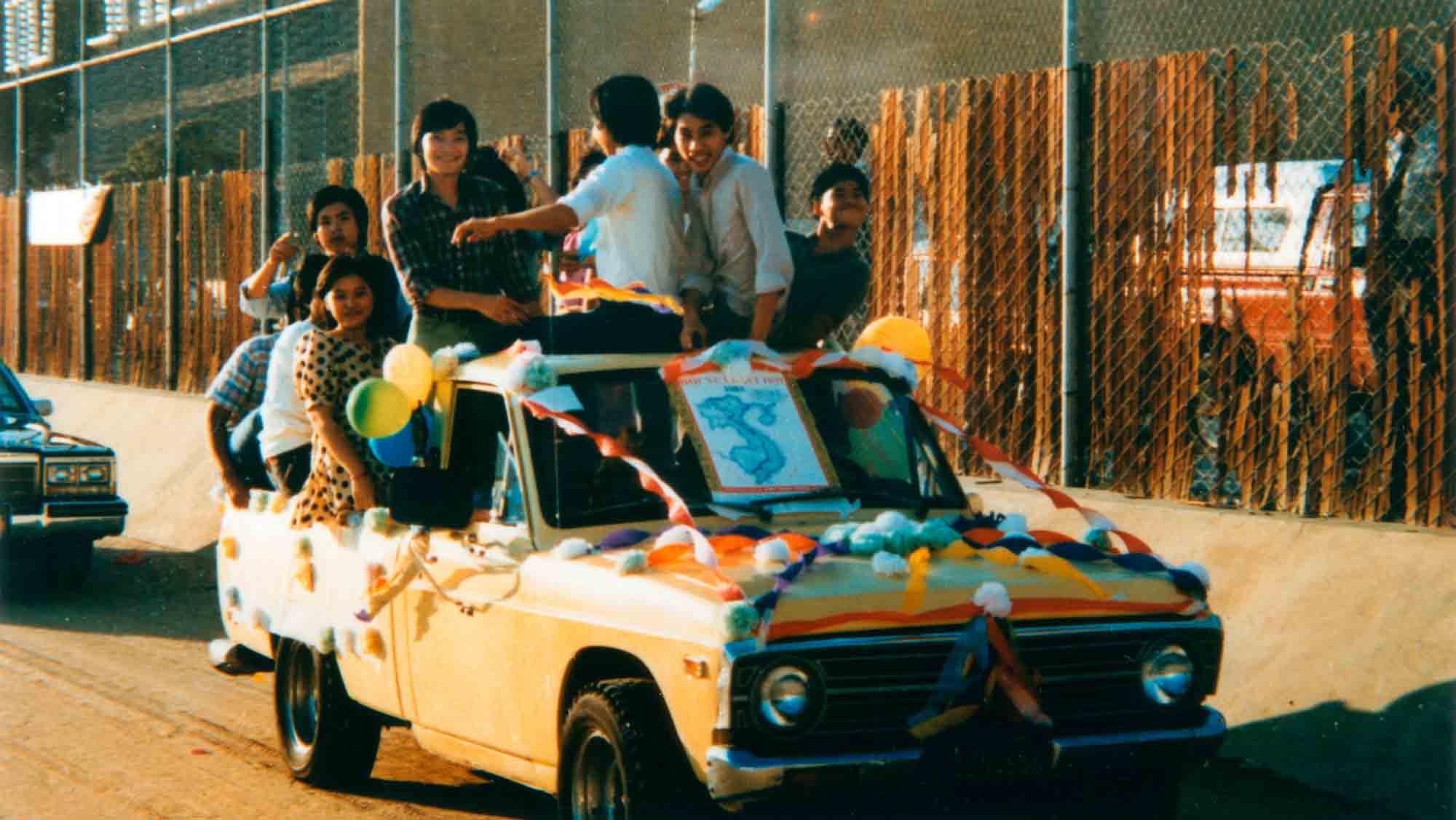
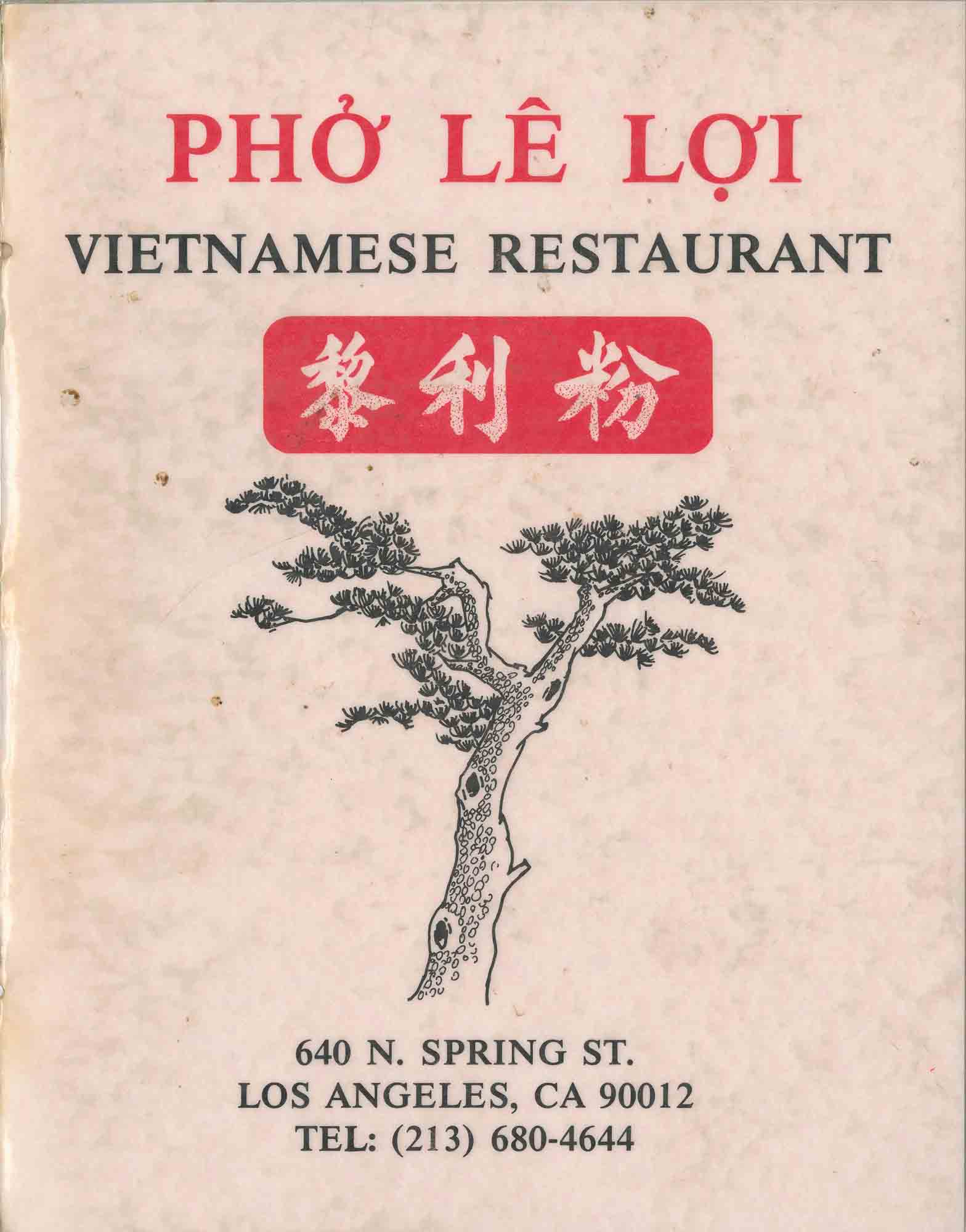
The second wave started in 1978 due to the brutality of the North Vietnamese Communist regime, causing refugees to flee Vietnam, mostly in small fishing boats, for asylum camps in Southeast Asia. This period of the “boat people” was the catalyst for the Refugee Act of 1980, which brought down barriers, and aided in the resettlement of Vietnamese refugees. By 1990 there were 543,000 Vietnamese immigrants in the United States. Originally the refugees were scattered around the country, and with sponsor families organized through religious organizations. By the 1980s the diaspora congregated in California, Texas, and Washington State, forming communities, opening businesses and revitalizing old China Town centers. During this period many Vietnamese restaurants opened, popularizing Vietnamese cuisine. One of the first and best known in Little Saigon, Orange County, is Pho 79 opened by Tho and Lieu Tran in 1982.
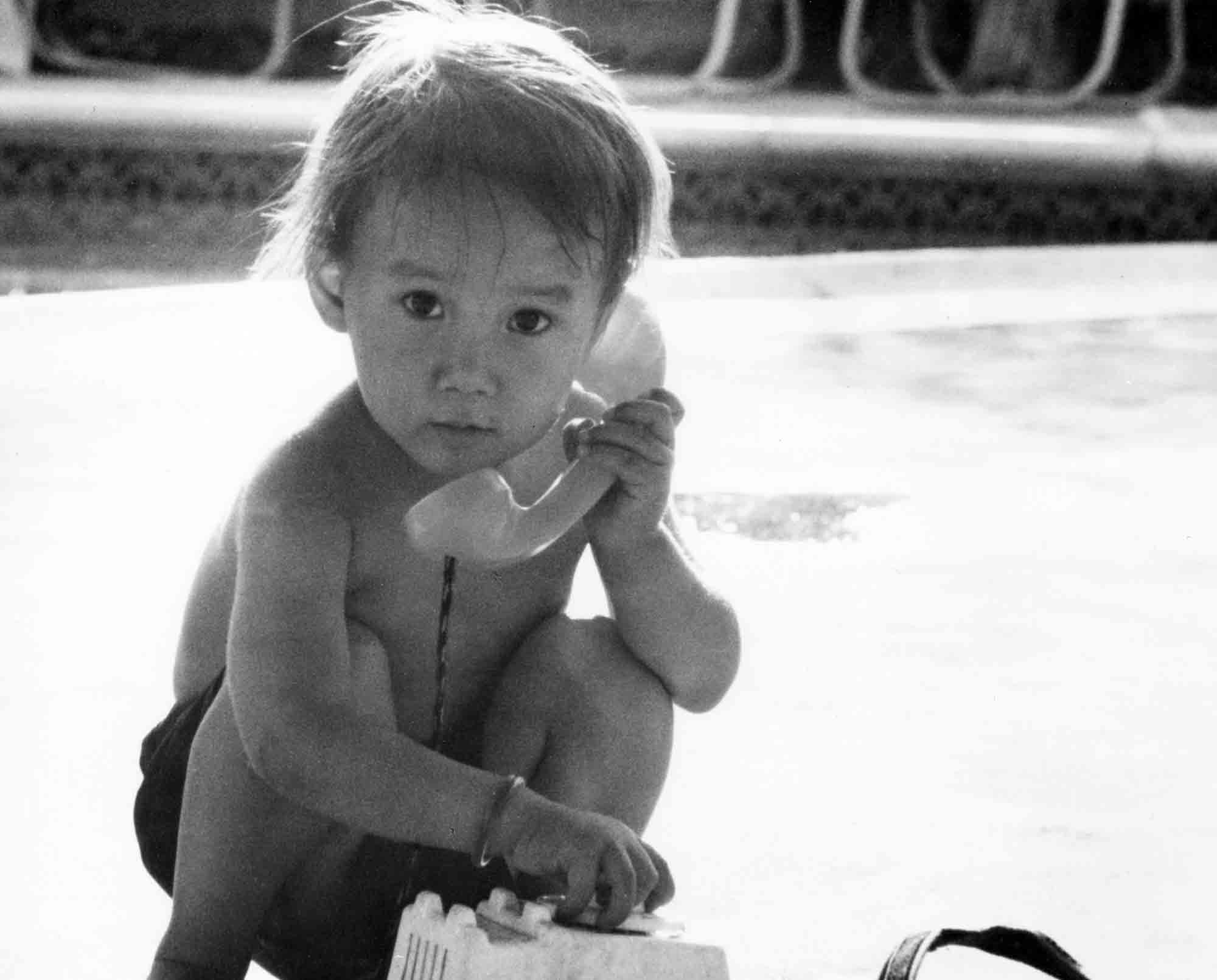
The often forgotten part of the chaos of war and its long term effects, especially for refugees, are the Amerasian children. These progeny were borne by Vietnamese mothers and U.S. military fathers and were a result of, and caught up in the aftermath of the Fall of Saigon. These children were often not recognised by their American servicemen fathers, abandoned by their mothers, and discriminated against by Vietnamese culture. However, it was relatively easy to obtain safe passage for Vietnamese women and their children who were married to American servicemen. Single Vietnamese women who kept their children had an extremely arduous path to refugee status. As diplomacy between Communist Vietnam and the United States broke down, these children and their family members were left in limbo. It wasn’t until the passage of the American Homecoming Act in 1988 did their plight become easier. Thirteen years after the Fall of Saigon, 23,000 Ameriasian children and 67,000 of their relatives were granted refugee status.
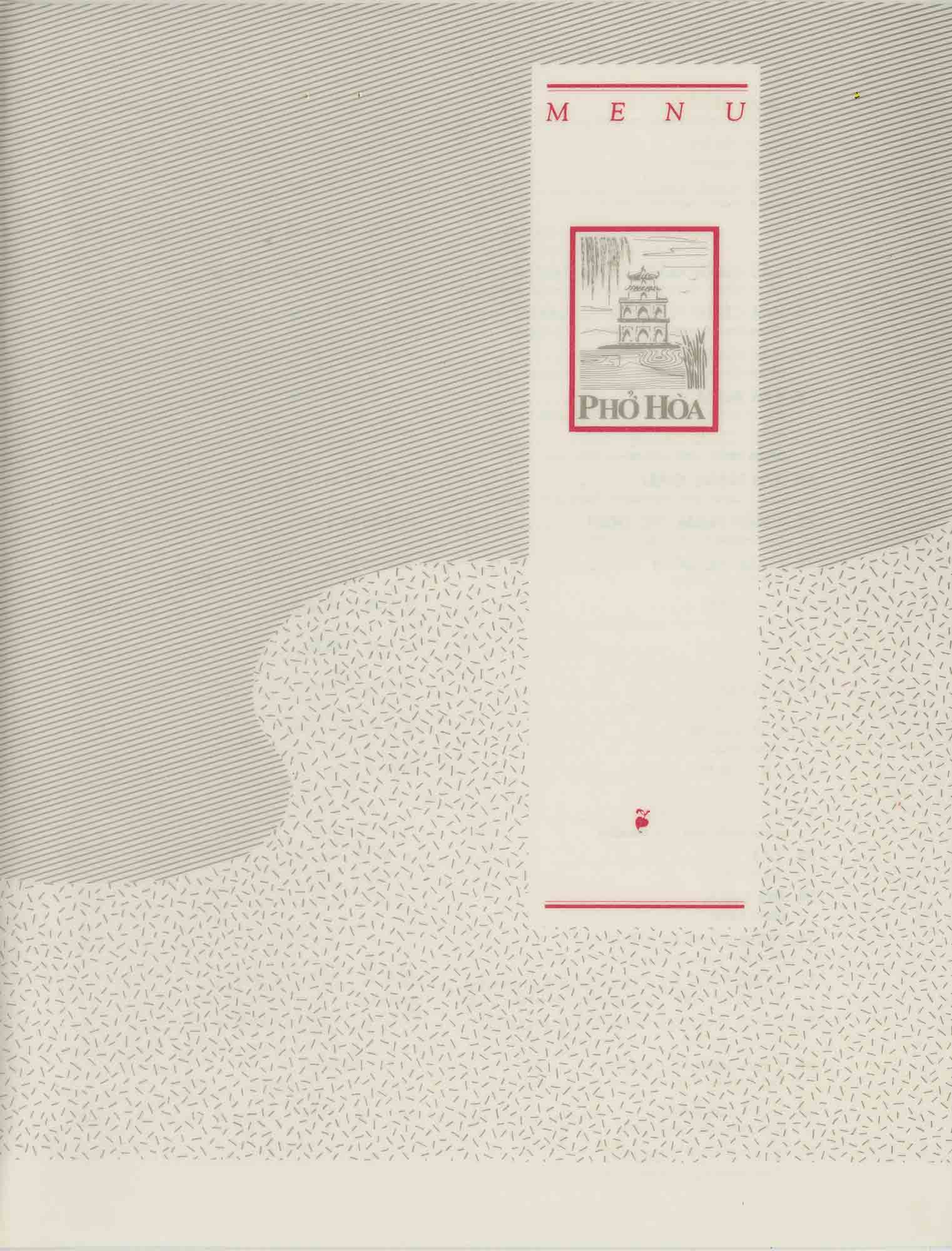
The Vietnam War divided nations, causing grief and heartache to this day among veterans who came home to a hostile public, not to mention physically and mentally scarred. The refugees who came to our shores as people at the end of their ropes, rising to a new reality in the same way my uncle Bobby came home to a new reality. Refugees and veterans took broken situations and created a new world with new opportunities. In the process our refugees have blended their ancient culture to the American experiment that continues in ever unfolding chapters and layers of nuance, tastes, and aromas. Here in the collections at Central Library we have items which highlight the influence and fusion Vietnam has brought to our greater collective. Here are some of the images, menus, and books, which reflect these influences, flavors, and beauty.
They Exiled Me
“They exiled me to the heart of the jungle
Wishing to fertilize the manioc with my remains
I turned into an expert hunter
And came out full of snake wisdom and rhino fierceness.
They sank me in the ocean
Wishing that I would remain in the depths
I became a deep sea diver
And came up covered with scintillating pearls.
They squeezed me into the dirt
Hoping that I would become mire
I turned instead into a miner
And brought up stores of the most precious metal
No diamond or gold, though
The kind to adorn women’s baubles
But uranium with which to manufacture the atom bomb.”
-Nguyễn Chí Thiện, 1972